What «Official» Actually Means When You're Looking for Fishin' Frenzy
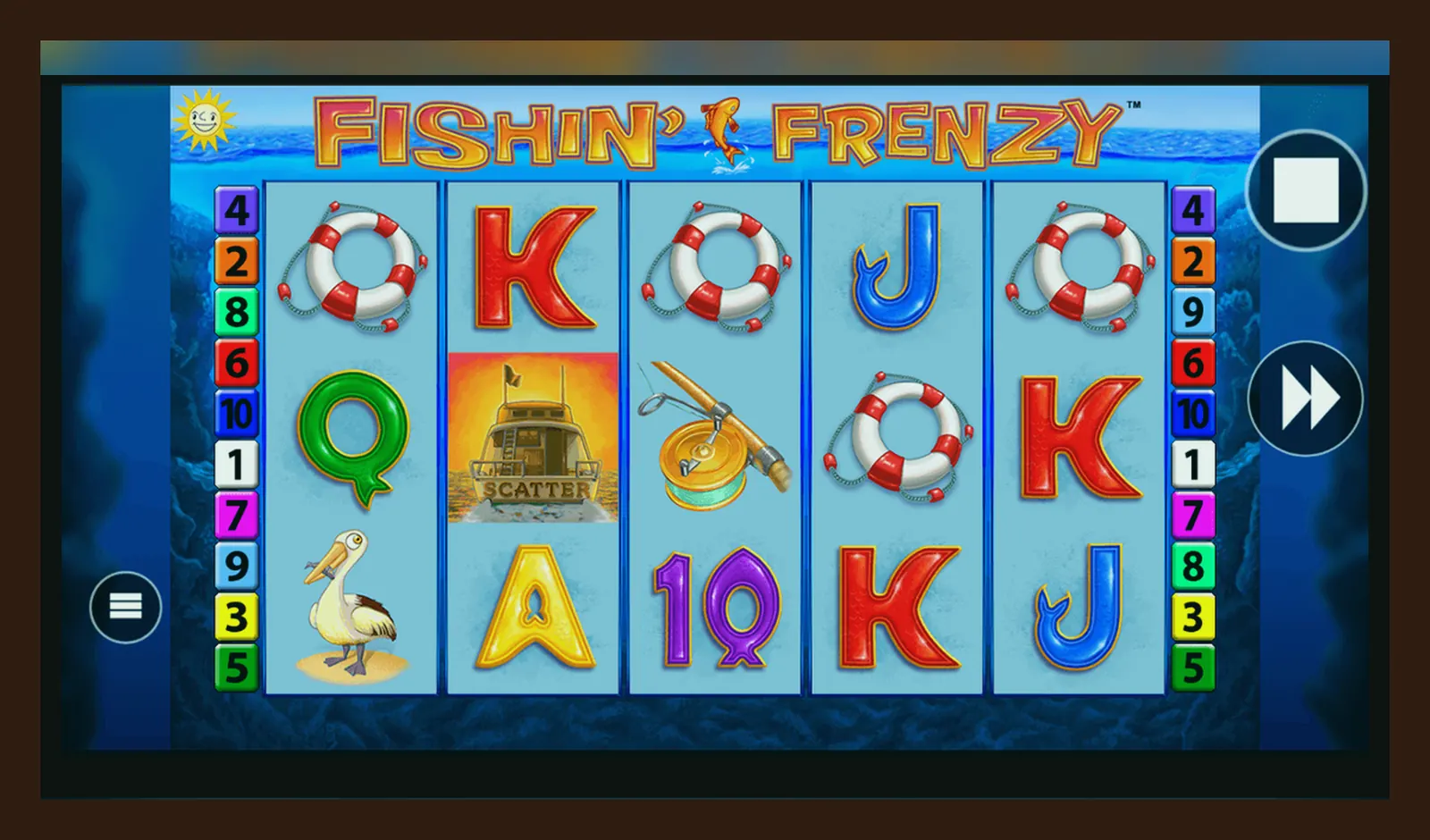
Here's the surprise: in the United Kingdom, there is no single «official» Fishin' Frenzy website. The game is built by a provider — Reel Time Gaming, now under Blueprint — and then licensed to dozens of casino operators. Each of those operators runs the same game build, under the same maths, but on their own domain with their own branding and bonus structure.
What makes a version official is the operator's UK Gambling Commission licence, not the domain name. That one detail costs players more mistakes than any other: searching for «the official site», landing on a clone or an unlicensed mirror, and losing money to a platform that isn't covered by UK consumer protections. This page walks you through the actual verification steps, what official status does and doesn't guarantee, and how to handle problems when they appear.
Why There's No Single Official Domain
Fishin' Frenzy is a product, not a standalone casino. Reel Time Gaming licenses the game to operators across multiple markets, and each operator hosts it under their own UKGC remote gambling licence. You'll find the same game — identical RTP, same bonus round, same paytable — on Sky Vegas, Paddy Power Games, Gala Bingo, and a hundred other sites.
The confusion starts when players search for «Fishin' Frenzy official site» and expect one answer. Instead, they get aggregator pages, affiliate funnels, and occasionally unlicensed clones designed to look like the real thing. The clone problem is real: fake apps on third-party stores, mirror sites with no UKGC number in the footer, and even legitimate-looking domains that redirect deposits to offshore processors.
Official, in UK terms, means the operator holding the game is in the UKGC public register, the licence number matches the footer, and the site follows UK advertising and player-protection rules. That's the only test that matters. Everything else — branding, domain age, app store presence — is secondary.
The Two-Minute Licence Verification Walkthrough
Before you deposit, spend 90 seconds checking the licence. It's the fastest way to separate a legitimate operator from a problem.
- Scroll to the footer of the casino site. Look for a licence number in the format 000-000000-X-XXXXX-XXX. If there's no number, or if it says «Curaçao» or «Malta», stop — the site isn't licensed for UK players.
- Open the UK Gambling Commission public register at gamblingcommission.gov.uk. Use the operator search, not the licence number search (the operator name is easier to match).
- Find the operator in the results. Check that the licence type includes «remote casino» or «remote bingo», and that the status is «active».
- Cross-check the licence number in the register with the number in the site footer. They must match exactly.
- Look at the licence conditions. Some operators have additional restrictions — withdrawal limits, enhanced reporting, or probationary terms. Those conditions are public.
If the operator isn't in the register, or if the licence number doesn't match, you're looking at an illegal site. That means no UKGC complaints process, no GAMSTOP coverage, and no legal recourse if the site refuses to pay out. It also means the RTP and game build aren't audited, so even if the game looks identical, the maths might not be.
What You Actually Need to Start Playing
Once you've confirmed the operator is licensed, you'll need an account. UK rules require age and identity verification before you can deposit, and full KYC before your first withdrawal. The process is more invasive than it used to be, especially after the affordability checks introduced in April 2025.
- Age verification: usually automatic, using credit-reference data. If the check fails, you'll need to upload a photo ID (passport or driving licence).
- Deposit limits: you'll be asked to set one during registration. Even if you skip it, the operator must offer the option in your account settings.
- Payment method: debit card, PayPal, Apple Pay, Open Banking, or paysafecard. Credit cards have been banned for gambling since 2020, and the payment method must be in your own name.
- Affordability checks: if you deposit more than £150 net in a month, the operator will run a soft credit check. At £1,000 or £2,000 (depending on the site), you'll need to provide bank statements or payslips.
The first withdrawal takes the longest — 24 to 48 hours for document review, then another 1 to 3 working days for the funds to land in your account via Faster Payments. After that, e-wallet withdrawals usually clear within a few hours. All winnings are tax-free for you; the operator pays a 40% Remote Gaming Duty.
The Official App Question
Some operators offer native apps for iOS and Android; others run a mobile-optimised site that works in the browser. Both are legitimate if the operator is UKGC-licensed, but the app question trips people up because fake apps do exist.
The safest route: check the operator's website for a direct link to their app. If they have one, it'll be in the iOS App Store or Google Play, and the developer name will match the operator. Avoid third-party app stores and APK downloads — those are almost always clones or scams. The game itself doesn't need a standalone app; it runs in-browser using HTML5, so any «Fishin' Frenzy app» that isn't from a licensed casino is a red flag.
If you're using an app and something feels off — missing licence footer, different paytable, or a deposit method the site didn't mention — delete it and go back to the web version. Clones often replicate the visuals but can't replicate the maths or the UKGC oversight.
When Things Go Wrong: Complaints and Recourse
Official status gives you a clear complaint path. If the operator refuses a withdrawal, disputes a bonus term, or locks your account without explanation, you have 8 weeks to resolve it through their internal complaints process. After that, you can escalate to an Alternative Dispute Resolution service — IBAS or eCOGRA, depending on which one the operator uses. The ADR service is free, binding, and listed in the operator's terms.
If the ADR doesn't resolve it, or if the operator ignores the ruling, you can report them to the UK Gambling Commission. The UKGC won't handle individual disputes, but repeated complaints affect the operator's licence renewal, and serious breaches can trigger fines or suspension.
For gambling-harm concerns — losing more than you can afford, chasing losses, or realising you need a break — GAMSTOP is the national self-exclusion scheme. One registration blocks every UKGC-licensed site for 6 months to 5 years, and it's immediate. BeGambleAware offers free support and can walk you through the registration process if you're not sure where to start.
Red Flags That Scream Clone
Clones rely on two things: visual similarity and player confusion. They'll copy the Fishin' Frenzy branding, use similar domain names, and sometimes even embed a working version of the game (pirated from a licensed operator). The giveaways are in the details.
- No UKGC licence number in the footer, or a number that doesn't match the register.
- Payment methods that licensed sites don't offer: cryptocurrency, wire transfer to an overseas account, or credit cards (which have been banned for UK gambling since 2020).
- Bonus offers that sound impossible — 500% match, no wagering, instant withdrawal — because they are. Licensed operators face strict advertising rules under the Gambling Act and CAP codes.
- Customer support that's unresponsive, outsourced to a generic offshore team, or gives contradictory answers about withdrawal times and verification.
- A domain registered within the last few months, or hosted in a jurisdiction with no gambling oversight. You can check domain age and hosting location using a WHOIS lookup.
If you've already deposited on a clone, document everything: screenshots of the site, deposit receipts, and any correspondence. Report it to Action Fraud (the UK's cybercrime unit) and the UKGC. You're unlikely to recover the funds, but the reports help shut down repeat offenders.
What Official Status Does NOT Guarantee
A UKGC licence means the operator follows UK law, the game maths are audited, and you have a complaints process. It does not mean you'll win, or that the bonus terms are generous, or that the operator is easy to deal with.
Fishin' Frenzy has medium to high volatility, depending on the version. That translates to long losing streaks punctuated by bigger wins. The RTP is fixed — usually 96.00% to 96.12% — but that's a statistical average over millions of spins, not a guarantee for your session. Official operators can't change the RTP without the provider's approval and a new certification, but they can (and do) set different bonus terms, withdrawal limits, and wagering requirements.
The first withdrawal is always slower than advertised because of KYC checks. Even if the site says «instant e-wallet payouts», expect 24 to 48 hours for document review on your first cashout. After that, Faster Payments to your bank usually land the same day or within 2 working days, and e-wallets clear faster — a few hours to 24 hours, depending on the operator.
Licensed operators also enforce affordability checks. If you deposit £150 or more net in a month, the site will run a soft credit check using reference data. At higher thresholds — £1,000 to £2,000, depending on the operator — you'll need to provide bank statements or payslips. Those checks are intrusive, but they're required under UKGC rules introduced in April 2025.
FAQ
Can I play Fishin' Frenzy in demo mode without an account?
Some UKGC-licensed sites allow demo play without registration, but many require you to log in and verify your age first — even for free play. That's a UK-specific rule to prevent under-18 access. If a site offers instant demo mode with no checks, it's either not UK-licensed or it's breaking the rules.
Why does the same game have different RTPs on different sites?
Operators can choose from multiple RTP configurations provided by the game supplier. Fishin' Frenzy typically offers 96.00%, 96.06%, and 96.12%. The operator picks one, and it applies to every player on that site. The RTP is listed in the game's paytable or help screen — if it's not there, contact support before you play.
What happens if the operator loses their UKGC licence while I have funds in my account?
The UKGC requires operators to segregate player funds from operating capital. If a licence is suspended or revoked, the regulator works with the operator to return balances to players. It's slow — weeks or months — but your money is legally protected. Check the UKGC register regularly if you keep a balance on-site.
Are offshore casinos with Fishin' Frenzy illegal to use from the UK?
It's not illegal for you to play, but it is illegal for the operator to market to UK players without a UKGC licence. The real risk is that you lose all consumer protections: no GAMSTOP, no ADR, no complaints process, and no guarantee the game maths are audited. If they refuse to pay out, you have no recourse.
How do I know if a welcome bonus is worth the wagering requirement?
Multiply the bonus amount by the wagering requirement to see how much you need to stake. A £50 bonus with 40× wagering means £2,000 in bets before you can withdraw. Slots contribute 100%, but there's usually a maximum bet (£5.00 or less) while the bonus is active. Check the terms for game restrictions — not all slots contribute equally.
Can I register with GAMSTOP and then reverse it if I change my mind?
No. GAMSTOP is irrevocable for the period you choose: 6 months, 1 year, or 5 years. You can't shorten it, pause it, or cancel it early. That's by design — it's a cooling-off tool, not a temporary lock. If you're unsure, start with the 6-month option, or use the operator's own self-exclusion feature instead, which is easier to reverse.